AltGrocery joins Local Commons
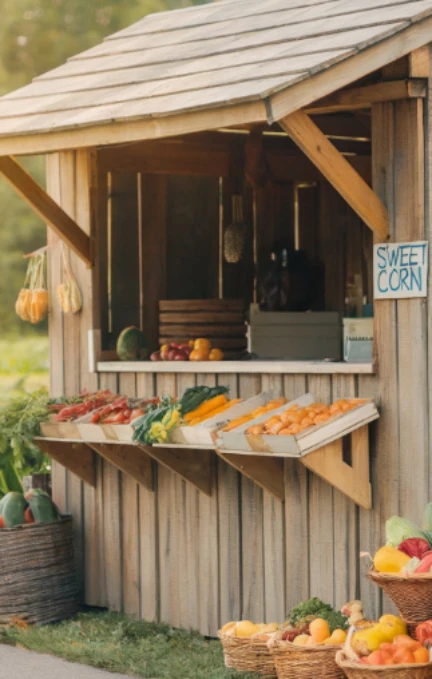
AltGrocery is now a layer on Local Commons. It is the first platform to take a working product and merge it into the shared living map, instead of asking people to keep a second app for one kind of listing.
AltGrocery was also created by Tom Pischel. It was the stepping stone for Local Commons. One map for independent food proved people will open a real street and come back. Local Commons takes that same idea to the whole town: every layer on one place.
Why AltGrocery was built
Independent grocers, farms, co-ops, and alternative food shops were hard to find. Search and big maps favoured chains. If you wanted a local butcher, a bulk store, a farm stand, or a co-op, you usually had to already know the name.
AltGrocery was built to put those places on a map. One place to see what is around you: indie grocers, markets, farms, and food shops that do not show up in a typical grocery search. The point was not another directory. The point was the street in front of you.
People used it
The map grew. Thousands of local places landed on it, across more than a thousand Canadian cities and towns. Shoppers opened it to find food near them. Owners claimed listings. Neighbours suggested stores they already trusted.
That popularity proved a simple thing. If the map is about a real street, people come back. AltGrocery became the place many people used to find an alternative to the big chains.
What made it viral
AltGrocery did not grow from ads. It grew because people added the stores they already loved. Neighbours suggested a farm stand. A shopper added the co-op on their street. Owners claimed their listing so the town could find them.
That is the power of crowdsourcing. Canadians take pride in the businesses in their community. They wanted those places on the map, and they did the work. Dedication, not a marketing budget, filled the map and made it spread.
What it brings to Local Commons
Those listings now sit on the same town as hours, events, works, weather, and neighbour notes. Open a community, look for groceries, and AltGrocery is already there. The town stays one scene. AltGrocery keeps its layer and its credit.
A grocery directory does not need its own map. It needs the town people already open. Local Commons is that town. AltGrocery is the first partner dataset on it, so the living map starts with real local food, not an empty pin set.
What other platforms can see
Directories, BIAs, clubs, civic tools, and local apps hit the same wall AltGrocery did. A standalone site can list things. It rarely becomes the place people check before they leave the house. A second map splits the community and slows traction.
Local Commons gives a platform a specific community, not a generic web page. You keep your data. You publish it on the shared map. People find you because they opened their town.
- Share information on the street it belongs to, in a specific community.
- Keep ownership of your layer. The town stays shared. Your listings stay yours.
- Reach residents and visitors where they already look for what is on today.
- Grow engagement from the place itself, not from another login or another app.
- Get better traction because the map already has the rest of the day on it: events, hours, works, and neighbour notes.
AltGrocery is the first platform to do this. Other platforms can do the same: keep the layer, share the place, and meet people on the map they already open.